

Pros and Cons of Different Forms of Birth Control: Which One is Right for You?
Explore the pros and cons of various birth control methods to make an informed decision. Find expert guidance at Sierra Hills Women Center in Placerville, CA.
Book Appointment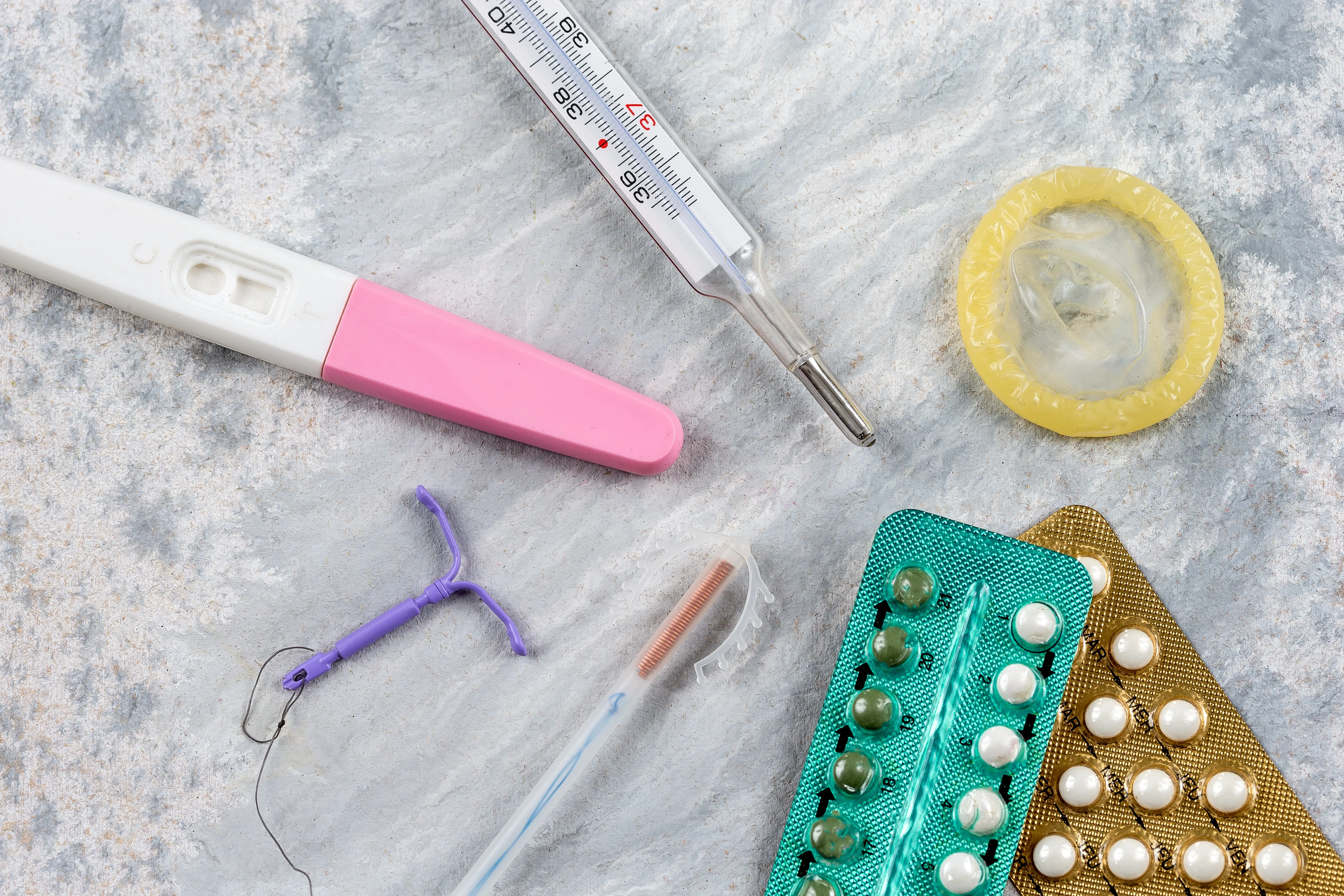
Choosing the Right Birth Control for You
Selecting the best form of birth control is a personal decision that depends on various factors like lifestyle, health, convenience, and future family planning goals. With so many options available today, it can feel overwhelming to figure out which method is right for you. From hormonal options like birth control pills to non-hormonal alternatives like IUDs, each method has its own set of benefits and potential drawbacks.
At Sierra Hills Womens Center in Placerville, CA, we aim to provide women with the knowledge and support they need to make an informed decision about their birth control choices. In this blog post, we’ll discuss the pros and cons of different birth control methods so you can find the one that works best for you.
1. Birth Control Pills
Pros:
- Convenient: Birth control pills are easy to take daily and are discreet.
- Highly Effective: When taken correctly, birth control pills are over 99% effective in preventing pregnancy.
- Regulate Periods: Many women find that the pill helps regulate their menstrual cycle and reduce the severity of cramps.
- Additional Benefits: It can help with acne, reduce the risk of ovarian cysts, and ease symptoms of PMS.
Cons:
- Daily Commitment: You must take the pill at the same time every day for it to be most effective.
- Side Effects: Some women experience side effects like nausea, weight gain, or mood changes.
- No STI Protection: Birth control pills do not protect against sexually transmitted infections (STIs).
- Possible Health Risks: There’s a slight increased risk of blood clots, especially for women who smoke or are over 35.
2. Intrauterine Device (IUD)
Pros:
- Long-Term Protection: An IUD can last anywhere from 3 to 10 years, depending on the type, making it one of the most convenient birth control options for those who prefer a set-it-and-forget-it method.
- Highly Effective: IUDs are over 99% effective in preventing pregnancy.
- Hormonal and Non-Hormonal Options: There are two types of IUDs—hormonal and copper. Hormonal IUDs may help with period regulation and reduce cramps, while copper IUDs are non-hormonal.
- Low Maintenance: Once placed, the IUD requires little upkeep, and you don’t have to remember anything on a daily or monthly basis.
Cons:
- Insertion Process: Getting an IUD requires a visit to your OB/GYN for insertion, which can be uncomfortable or painful for some women.
- Initial Spotting and Cramping: Many women experience spotting or cramping after IUD insertion, though these side effects usually subside within a few months.
- Possible Expulsion: In rare cases, the IUD may become dislodged from the uterus.
- No STI Protection: IUDs do not provide protection against sexually transmitted infections.
3. Condoms
Pros:
- No Prescription Needed: Condoms are widely available without a prescription, making them an easy and accessible option.
- STI Protection: Condoms are the only birth control method that also protects against sexually transmitted infections (STIs).
- Inexpensive: They are one of the most affordable birth control options, with many available at pharmacies and online.
- Easy to Use: Condoms are easy to use and do not require any medical intervention or long-term planning.
Cons:
- Less Effective Than Other Methods: While condoms are effective, they are not as reliable as other forms of birth control when used alone. They have a failure rate of about 13% due to incorrect use or breakage.
- Disruption During Sex: Some people find that condoms interrupt the spontaneity of sex.
- Latex Sensitivity: Some people are allergic to latex, which can cause irritation or discomfort. Non-latex options are available, but they may be more expensive.
4. Birth Control Implants
Pros:
- Highly Effective: Birth control implants are over 99% effective in preventing pregnancy.
- Long-Term Protection: The implant lasts up to 5 years, providing worry-free protection.
- Low Maintenance: After the initial insertion, there’s no need to think about birth control for several years.
- Hormonal Benefits: The implant can help regulate periods and reduce menstrual cramps.
Cons:
- Insertion Process: The implant must be placed under the skin by a healthcare provider, which may involve some discomfort.
- Side Effects: Some women experience side effects such as weight gain, mood swings, or changes in their menstrual cycle.
- No STI Protection: Like other hormonal methods, implants do not protect against STIs.
- Irregular Bleeding: Spotting or irregular bleeding can occur, especially during the first few months after implantation.
5. Birth Control Patch
Pros:
- Convenient: The patch is worn on the skin and only needs to be replaced once a week for three weeks, making it simpler to use than daily pills.
- Effective: Like the pill, the patch is over 99% effective when used correctly.
- Regulates Periods: The patch can help regulate periods and reduce period-related symptoms, such as cramps.
- Discreet: The patch is worn under clothing, so it's not visible to others.
Cons:
- Visible on Skin: Some women may find the patch visible and may feel self-conscious about wearing it.
- Possible Side Effects: Some women experience skin irritation, headaches, or mood changes from the patch.
- No STI Protection: Like other hormonal methods, the patch does not provide protection against sexually transmitted infections.
- Risk of Blood Clots: Women who smoke or are over 35 may face an increased risk of blood clots.
6. Permanent Methods: Sterilization (Tubal Ligation or Vasectomy)
Pros:
- Permanent Solution: Sterilization is a permanent form of birth control that is highly effective.
- No Ongoing Maintenance: Once the procedure is completed, there’s no need for further action or daily attention to birth control.
Cons:
- Irreversible: Sterilization is permanent and not easily reversible, so it’s only recommended for individuals who are certain they do not want to have children in the future.
- Surgical Risks: Like any surgery, sterilization carries risks, including complications from anesthesia, infection, or bleeding.
- No STI Protection: Sterilization does not protect against sexually transmitted infections.
Why Choose Sierra Hills Womens Center in Placerville, CA?
At Sierra Hills Womens Center and Advanced Gynecology, we understand that choosing the right form of birth control can be a difficult decision. Our expert team is here to provide personalized guidance, discuss the pros and cons of each method, and help you find the option that aligns with your health, lifestyle, and future plans.
Whether you’re looking for a short-term solution or a long-term birth control method, we offer comprehensive care to ensure your reproductive health needs are met.
Schedule a Consultation Today for Birth Control in Placerville, CA
Ready to choose the best birth control method for you? At Sierra Hills Womens Center and Advanced Gynecology, we understand that choosing the right form of birth control can be a difficult decision. Our expert team is here to provide personalized guidance, discuss the pros and cons of each method, and help you find the option that aligns with your health, lifestyle, and future plans.
Whether you’re looking for a short-term solution or a long-term birth control method, we offer comprehensive care to ensure your reproductive health needs are met.
Read More Blogs!
Stay updated with the latest blog posts and engage with our community.